


In Fano, the connection with Vitruvius immediately brings us to the Basilica. Yet his thinking opens a much broader horizon. In De architectura, water runs through people’s lives, the construction of buildings and the organisation of the city. Following this thread reveals how a culture of design can bring an ancient text closer to the questions we ask today.
Water and the pleasure of living
At the beginning of Book Eight, Vitruvius writes that water is essential to life, pleasures and everyday use. One word deserves particular attention: delectationes, pleasures.
Water sustains our existence and contributes to its quality. It accompanies our habits, offers relief and makes possible experiences involving the body and the senses. The passage concerns water as a whole, but helps us understand why architecture so important to collective life developed around it.
In baths, our relationship with water takes spatial form. Temperature, light and the opportunity to move or linger change how we inhabit a place. Designing means giving tangible form to this experience.
Light becomes part of design
Vitruvius did not invent baths. When he wrote, bathing culture already had a long history. His contribution was to gather and discuss the knowledge needed to build, explaining the reasons behind design choices.
In Book Five, the same book in which he describes the Basilica of Fano, he devotes a chapter to baths. He recommends studying their exposure and orienting the hot and warm rooms towards the winter sunset or, where the site does not allow it, towards the south. The reason concerns habits: people bathe from midday to evening. Light should accompany people’s time.
The dimensions of rooms should also be determined by the number of people using them. An architectural measurement thus contains a human question: how many people will inhabit this space, and how can they feel comfortable there?
This is the attention I want to recover today. Before choosing a building’s appearance, we need to understand the site and the experience we want to make possible.
Beneath the floors of the baths
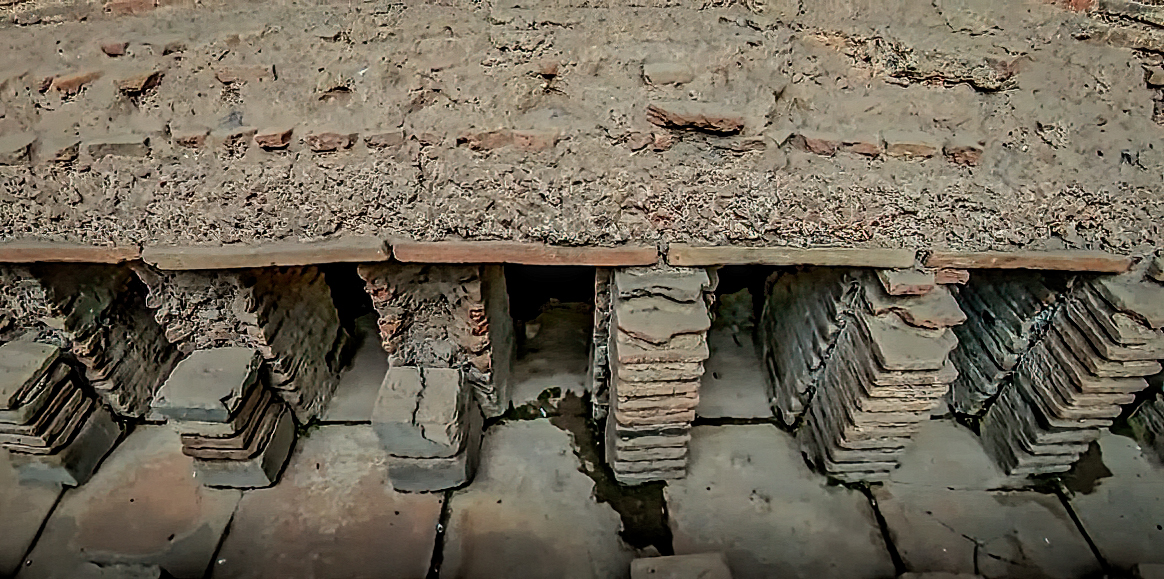
Imagine lifting the floor of a heated Roman room. We would discover small brick pillars supporting it and a cavity through which hot combustion gases from the furnace passed. Vitruvius describes these suspended floors, allowing us to look inside the workings of architecture.
The comfort felt by those entering depends on a structure that often remains invisible. Behind the warmth are systems, fuel, maintenance and labour. The quality of the experience also arises from this coordination of spaces and services.
For a contemporary thermal project, this is a practical lesson. Hospitality begins long before visitors arrive: in understanding the water, choosing energy systems and organising the place’s daily operation.
Voices around the water
Ancient baths were also meeting places. In Letter 56 to Lucilius, Seneca describes the noises reaching him from the bathhouse above which he lives: people exercising, diving, selling food and drinks. His account, composed as part of a philosophical reflection, conveys a setting full of people and activity.
Alongside water we find movement, conversation and shared time. Ruins alone can make us forget this dimension.
Thinking about Carignano, I would also begin here: what relationships could this place accommodate? What opportunities for meeting could it offer residents and visitors? A thermal establishment can become part of a community’s life when it can answer these questions.
Fano and Carignano between memory and possibility
Fano preserves precise evidence of its Roman bathing culture. An ancient inscription records the construction, reconstruction and, following a fire, restoration and enlargement of a balineum. It names the civic community and citizens committing resources to keep it operating. This story also presents water as a shared responsibility.
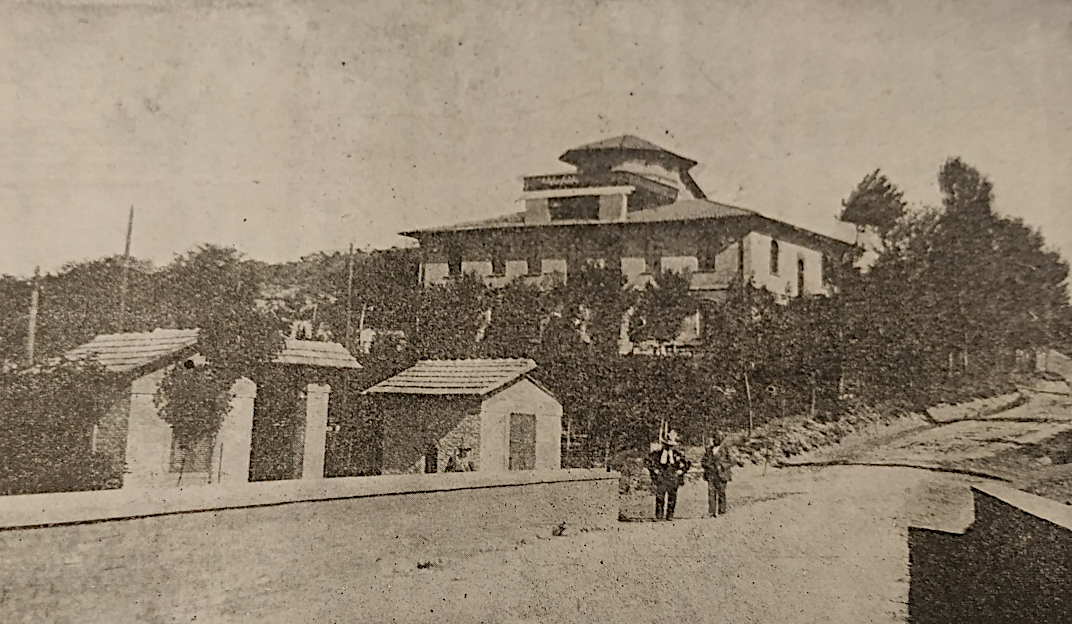
Carignano has a distinct history, connected with its springs, landscape and modern establishment, whose historic building was constructed in 1922. There is no evidence that Vitruvius visited these waters or that there is direct continuity with Fano’s Roman baths. The connection I propose is cultural: bringing documented histories into dialogue to create a recognisable contemporary project.
Understanding the waters, caring for the landscape and providing quality spaces and hospitality can give substance to that dialogue. Referring to Vitruvius becomes meaningful when it helps explain design choices.
A question for the future
Rereading Vitruvius through water means recognising how closely knowledge of nature and people’s lives are connected in his thinking. It is an aspect of the circular wisdom I continue to explore: knowledge in which observation, technique and responsibility in design nourish one another.
For Carignano, this perspective can become a starting point. Memory gives us reasons to look at a place again; design must turn them into tangible possibilities, supported by research and the ability to care for it.
This is what culture can contribute: helping us see what a territory holds and giving direction to our choices. In the city of Vitruvius, water too can once again become a focus for design.